Staircase Carries in Victorian Charlton Homes: Safe Tips
Posted on 11/06/2026
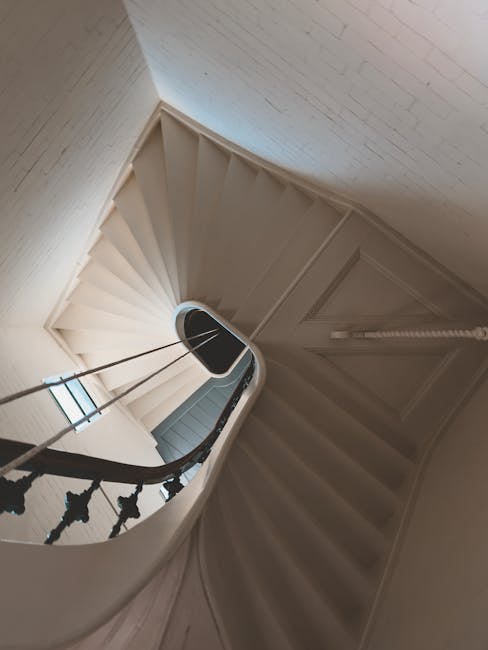
Victorian homes in Charlton have a lot going for them: handsome proportions, solid stairs, proper character, and those lovely old layouts that feel a bit more human than modern boxes. But if you have ever tried moving a wardrobe, sofa, piano stool, or mattress up one of those narrow staircases, you will know the charm fades fast. Staircase carries in Victorian Charlton homes need planning, patience, and a sensible approach. The difference between a smooth lift and a scraped wall can be a matter of centimetres, timing, and how well everyone communicates.
This guide walks through the safe, practical side of moving bulky items through stairwells in period homes. You will find what makes these properties tricky, how staircase carries work, what to do before lifting anything, and when it makes sense to bring in experienced help. If you are planning a house move, a flat move, or just shifting one awkward item, the advice below should save you time, stress, and a few awkward shouts up the stairs.
Why Staircase Carries in Victorian Charlton Homes: Safe Tips Matters
Victorian staircases are often steep, slightly narrow, and built before anyone expected people to carry king-size mattresses, giant fridge-freezers, or bulky modern furniture around the bend. That does not make them impossible. It just means the margin for error is thinner. A staircase carry in this setting is not really about strength alone. It is about route planning, control, balance, and knowing when an item is too awkward for a solo attempt.
In Charlton, many period homes include tight landings, curved stair turns, low hallway ceilings, and older plasterwork that chips if you breathe on it too hard. There may also be front steps, internal banisters, and entrance doors that are slightly less generous than they look from the pavement. So yes, the job starts before the lifting even begins.
There is another reason this matters. A clumsy carry can cause injury to the movers and damage to the property, and neither is worth the risk. Strained backs, trapped fingers, grazed shins, and wobbly footing are all very real outcomes when people rush. To be fair, the staircase is usually telling you to slow down long before anyone wants to listen.
If you are also decluttering or preparing items for storage, it helps to think of the move as a sequence rather than a single lift. Good planning now makes everything else easier later. Our decluttering checklist for a seamless move is useful if you are deciding what should actually be carried at all.
How Staircase Carries in Victorian Charlton Homes: Safe Tips Works
At its simplest, a staircase carry means two or more people moving an item through a stairwell while maintaining control, clear communication, and safe body positioning. In practice, it is a small choreography. Someone leads, someone spots, and everyone agrees on the plan before the first step is taken. A good carry is slow enough to stay safe but smooth enough not to stall halfway up the stairs.
The process usually starts with measuring and route-checking. That includes the item itself, the stair width, the landing space, the doorway at each end, and any awkward corners or radiators that may get in the way. If the item will not turn on its side or cannot be angled without strain, you need to know that before anyone commits to the lift.
After that comes protection. Banisters may need padding, floors may need coverings, and door frames may need edge protection. This is especially useful in Victorian homes where painted woodwork and old plaster can mark very easily. If you have ever heard a sofa catch a wall corner with that horrible dull thud, you will understand why this step matters.
The carry itself should be controlled and evenly paced. Movers should know who is steering, who is taking the weight, and what signal means stop. A simple count like "on three" is often enough. No one should be guessing. No one should be pulling in a different direction. That is when things go sideways, literally and otherwise.
For heavier household goods, it may help to read more about moving bulky pieces safely, especially if you are dealing with awkward shapes. This piece on heavy lifting by yourself explains why solo lifting so often becomes a bad idea before it becomes a strong idea.
Key Benefits and Practical Advantages
Doing staircase carries properly is not just about avoiding mishaps. It improves the whole moving day in a few practical ways.
- Less risk of damage: Better control means fewer chips, scrapes, and dents on walls, banisters, and furniture.
- Safer lifting: Good team positioning reduces the chance of back strain and sudden slips.
- Faster progress: A planned move is usually quicker than repeated stop-start attempts.
- Better handling of awkward items: Sofas, wardrobes, beds, and appliances all become easier when the route is mapped first.
- Less stress overall: Nobody enjoys carrying a fridge backwards while arguing about the landing. A clear method helps a lot.
There is also a surprisingly underrated benefit: confidence. Once the team understands the route and the carry plan, the whole job feels more manageable. You will notice the atmosphere change. People speak less. They concentrate more. The move becomes work rather than panic.
If you are moving furniture specifically, it may help to compare your options before deciding how much to handle yourself. Our furniture removals in Charlton page gives a good sense of the kind of support that can take pressure off difficult stair carries.
Who This Is For and When It Makes Sense
Staircase carries are relevant to anyone moving items through a Victorian property, but they are especially useful for:
- homeowners moving large furniture between floors
- tenants in upper-floor flats
- students relocating from shared housing
- families moving into or out of a period house
- people buying second-hand furniture that needs careful indoor handling
- anyone moving heavy or fragile items through a tight stairwell
It makes sense to use a staircase carry approach whenever the item is too large to be safely handled in one easy movement. That includes beds, wardrobes, bookcases, pianos, white goods, and some very stubborn sofas. Yes, some sofas really do behave like they have been designed by someone with a sense of humour.
This approach is also sensible if the home has been recently decorated, if the stairwell is narrow, or if there are lots of bends and half-landings. In those cases, a rushed carry can cause more trouble than the item is worth. If time is tight, the temptation is to force it through. Not ideal. For urgent jobs, it may be better to look at same-day removals in Charlton rather than improvising under pressure.
For students, smaller budgets often mean more DIY lifting, but a stairwell is still a stairwell. The same rules apply, just with fewer people around to help. That is where planning matters most.
Step-by-Step Guidance
Here is a simple, practical way to handle staircase carries in Victorian Charlton homes without turning the day into a contest of bravery.
- Inspect the route first. Check the stairs, landings, door widths, handrails, and any turns or low ceilings. Look for loose rugs, uneven flooring, or anything that might snag a foot.
- Measure the item. Get the height, width, and depth, and compare that with the stairwell. If possible, test the best angle before the real carry begins.
- Clear the path. Remove shoes, plant pots, bins, small furniture, and anything else that will reduce visibility or create a trip hazard.
- Protect the property. Use blankets, cardboard, or corner protection where the furniture may brush against walls, skirting boards, and banisters.
- Assign roles. Decide who leads, who supports the lower end, and who gives verbal directions. One person should be clearly in charge.
- Use proper lifting technique. Bend at the knees, keep the item close, avoid twisting, and lift in a controlled way. If your position feels unstable, stop and reset.
- Move one step at a time. Pause at landings. Regrip if needed. There is no prize for speed here.
- Communicate constantly. Say when you are stopping, turning, lowering, or needing a rest. Short phrases are best.
- Check for damage or strain at the end. A quick look over the furniture and stairwell can catch minor issues before they become annoying later.
If you are packing at the same time, keep boxes from becoming too heavy. A staircase is no place for overfilled cartons that wobble and split at the worst possible moment. For practical packing help, see packing and boxes in Charlton and the advice in advance your packing skills for a flawless relocation.
Expert Tips for Better Results
Small details make a big difference. In our experience, most staircase carry problems are not caused by the main lift itself. They happen because of the one thing people forgot to check beforehand.
1. Protect the corners before the item reaches them
Victorian corners are unforgiving. A protective layer on high-contact points is a simple move that saves a lot of grief. Focus on the narrowest turn, the landing edge, and the place where the item is most likely to scrape as it pivots.
2. Keep the item angled, not flat, where appropriate
Sometimes an item turns better when tilted slightly rather than carried dead straight. That said, this only works if the team is coordinated and the object remains stable. If it starts to feel like a balancing act, stop. The item is winning.
3. Take clothing and footwear seriously
Closed-toe shoes with grip are a must. Loose sleeves, trailing scarves, and slippery trainers are not helpful when you are negotiating a landing. It sounds obvious, but people still ignore it. Then they regret it about twenty seconds later.
4. Keep the move quiet enough to hear each other
Odd as it sounds, noise matters. If someone is talking over the plan, or if music is blaring from another room, you are more likely to miss a warning. A stairwell should be calm, not chaotic.
5. Consider breaking the job down
Some furniture can be disassembled first. Bed frames, modular sofas, and shelving systems often become much safer to move in parts. If you are moving a bed, the step-by-step guidance in from start to finish relocating your bed and mattress is worth a look.
If lifting technique is something you want to improve generally, it is also worth understanding movement control and load management. The article on kinetic lifting covers the idea in a more body-mechanics-focused way.
Common Mistakes to Avoid
Most stair-carry mistakes are predictable, which is annoying but helpful. If you know them in advance, you can usually avoid them.
- Not measuring first: Guessing almost always leads to trouble on Victorian stairs.
- Trying to lift too much alone: This is where people hurt themselves or gouge the wall.
- Ignoring the landing shape: A straight staircase is one thing. A tight turn at the top is another.
- Forgetting to pad the route: Even one exposed wall corner can be enough to leave a mark.
- Rushing after the first difficult section: The temptation is to "just get it done", and that is when slips happen.
- Not communicating clearly: Vague instructions like "a bit more that way" are not exactly a masterpiece of coordination.
- Using poor boxes or bags: Weak packaging breaks at the worst moment, usually half-way up the stairs.
One practical note: if you are also dealing with cleaning and end-of-tenancy tasks, try not to stack everything into the same final hour. Stair carries are tiring enough without the added pressure of mopping, scrubbing, and locating a kettle at 7 p.m. A spotless exit clean before relocating is easier to manage when the lifting side is under control.
Tools, Resources and Recommendations
You do not need a van full of specialist gear to carry items safely upstairs, but a few basics help a great deal.
- Furniture blankets or moving blankets for edge and surface protection
- Floor covering for hallways and landings
- Work gloves with a solid grip
- Straps or lifting aids where appropriate and safe to use
- Corner guards or cardboard protection for painted walls and stair edges
- Strong tape to secure coverings in place
- Clear packing materials so small items do not clutter the route
Good packing also matters. Overpacked boxes are awkward, and underpacked ones can collapse. If you need a refresher, the guide to packing skills for a flawless relocation pairs well with this topic. The two go hand in hand, really.
For larger or more complicated items, using a professional moving team can be the safer, calmer option. That is especially true if the property has more than one set of stairs, a narrow entrance, or valuable items that need extra care. If you want to understand how a mover might approach the day, services overview and removals in Charlton can help frame your options, while insurance and safety is worth reviewing when risk matters.
Law, Compliance, Standards, or Best Practice
For most household moves, staircase carries are guided by common-sense safety practice rather than a single special rulebook. The key expectations are straightforward: avoid unsafe manual handling, take reasonable care of the property, and do not put people at unnecessary risk.
In the UK, manual handling best practice generally means assessing the load, reducing weight where possible, using suitable team numbers, and avoiding twisting or awkward postures. That applies to moving furniture up staircases just as much as it applies in a warehouse or office. If something feels too heavy or too awkward to manage safely, it probably is.
Property access also matters. In shared buildings or flats, stairwells should be kept clear, and any move should avoid blocking exits. If you are working in a flat, take extra care around communal areas and respect neighbours and shared surfaces. The same goes for student housing, where stairwells can be busy and a bit chaotic at the best of times.
Good movers also work in a way that protects people and property without making assumptions. That is one reason it can be useful to choose a provider that takes safety seriously, not just speed. A professional approach should include planning, communication, and sensible equipment choices. Nothing flashy. Just solid practice.
Options, Methods, or Comparison Table
There is more than one way to handle a staircase carry. The right option depends on the item, the staircase, and how much help you have.
| Method | Best for | Pros | Limits |
|---|---|---|---|
| DIY carry with two people | Smaller furniture, lighter boxes, short stair runs | Low cost, quick for simple jobs | Higher risk on narrow or awkward Victorian stairs |
| DIY carry with three or more people | Large or bulky items that need steady support | More control and stability | Needs good coordination and clear leadership |
| Part-disassembled carry | Beds, shelving, modular furniture | Reduces size and awkward angles | Can take time to dismantle and rebuild |
| Professional moving support | Heavy, fragile, or difficult items; tight stairwells | Safer handling, less stress, better equipment | Costs more than a pure DIY approach |
For many Charlton homes, the safest answer is a mix of methods. Some items can be carried by hand, some should be disassembled, and the most awkward pieces may be best left to experienced movers. If the job turns from a couple of items into a full move, it may make more sense to look at house removals in Charlton or man and van support rather than improvising as you go.
Case Study or Real-World Example
Picture a typical Charlton Victorian terrace with a narrow hallway, a turned staircase, and a landing that only just fits a standard armchair. A couple are moving out on a Friday afternoon. They have a wardrobe, a mattress, several boxes, and a sideboard that looked manageable in the living room but suddenly feels much larger the moment it reaches the stairs.
Instead of forcing the sideboard upstairs in one go, they measure the turning point, remove the drawers, and wrap the corners. One person stays at the top landing to guide the angle, while the other takes the base and keeps the item clear of the wall. They pause on the landing, breathe, and regrip. Slow, a little awkward, but it works. The sideboard reaches the first floor with no scrape on the banister and no panic call for help.
Now compare that with the same move handled in a rush. The sideboard gets dragged sideways, the corner catches the wall, the person at the bottom loses footing, and everyone starts talking over each other. That is the difference planning makes. It is not glamorous. It is simply safer.
When timing matters too, a local service with the right vehicle and loading approach can help keep the whole move on track. For more on fast turnaround moves, see what to expect from urgent same-day removals in Charlton.

Practical Checklist
Use this checklist before you start any staircase carry in a Victorian Charlton home.
- Measure the item and the route
- Check stair width, landing space, and doorway clearance
- Clear the path of shoes, clutter, and loose rugs
- Protect walls, banisters, and corners
- Decide who leads and who supports
- Agree on simple verbal signals
- Wear supportive, non-slip footwear
- Wear gloves if grip is likely to be poor
- Disassemble furniture where sensible
- Keep boxes light and balanced
- Pause at landings instead of forcing the pace
- Stop immediately if the load shifts or footing feels unstable
- Inspect for damage after the carry
If you are still sorting belongings before the move, a little decluttering can reduce the number of staircase trips altogether. That is often the easiest win of the day, to be honest.
Conclusion
Staircase carries in Victorian Charlton homes are rarely about brute force. They are about reading the space, respecting the limitations of an older property, and moving with control rather than hope. When you plan the route, protect the surfaces, assign clear roles, and keep the item manageable, the whole process becomes far safer and far less stressful.
The good news is that most of the common problems are preventable. Measure first. Clear the stairs. Pad the corners. Communicate. And if something feels too heavy or too awkward, that is usually your sign to stop and rethink the approach. No shame in that at all.
For bigger moves, awkward furniture, or homes with especially tight access, getting help can save time and protect both the property and your back. Sometimes the smartest lift is the one you do not insist on doing yourself.
Get a free quote today and see how much you can save.