SE7 Removals: Navigating Woolwich Road & The Valley Access
Posted on 15/05/2026
SE7 Removals: Navigating Woolwich Road & The Valley Access
If you are planning a move in SE7, the details matter more than people expect. A removal that looks simple on paper can turn tricky fast once you factor in Woolwich Road traffic, narrow turning space, loading access near The Valley, parking pressure, or a flat with awkward stairs. That is exactly why SE7 Removals: Navigating Woolwich Road & The Valley Access deserves a closer look. A good move is not just about lifting boxes. It is about timing, route planning, access, and knowing how to make the day feel calm rather than chaotic.
In this guide, we will break down how local removals in SE7 work, what usually causes delays, how to plan around access issues, and what makes a move near Woolwich Road or The Valley smoother in real life. You will also find practical checklists, comparison points, and a few sensible links to related services and guides if you want to dig deeper.
Why SE7 Removals: Navigating Woolwich Road & The Valley Access Matters
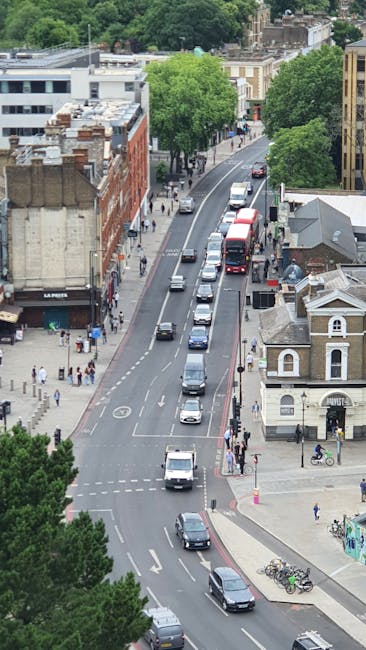
SE7 sits in a busy part of southeast London where road layout, match-day traffic, residential parking patterns, and building access can all change the shape of a moving day. Woolwich Road is a major route, so even a short journey can become stop-start at the wrong time. Add in the area around The Valley, where football traffic can swell dramatically on fixture days, and you have a very real need for a move plan that is local, not generic.
This matters because removal work is most vulnerable at the edges: waiting for parking, carrying items further than expected, squeezing a van through a tight street, or discovering that a front entrance is not as easy to use as it looked during the quote. To be fair, most moving stress does not come from the boxes themselves. It comes from the bits in between.
That is why a local approach helps. A mover who understands SE7 will normally think about loading bay access, route timings, possible restrictions, and whether a smaller vehicle or split load makes more sense. If you want a broader view of the services that support this kind of planning, the services overview is a useful place to start.
Local knowledge also supports better packing decisions. If your move involves stairs, basement storage, or a hard-to-reach flat, you may want to read practical packing advice for a smoother relocation and a decluttering checklist that helps reduce volume before moving day. Less to move usually means less to manoeuvre. Simple, but true.
How SE7 Removals: Navigating Woolwich Road & The Valley Access Works
Local removals in SE7 usually work best when the day is planned around access first and packing second. That may sound backwards, but it is often the right order. The best move plan starts with questions like: Where will the vehicle stop? How far is the walk from the property to the van? Are there steps, a lift, or a narrow hallway? Is the route affected by traffic around The Valley, school runs, or peak-hour congestion on Woolwich Road?
Once those access points are understood, the move can be shaped around them. For example, a flat move on a busy road might benefit from an earlier start, a smaller van, or a team that can carry items in shorter, more controlled trips. A house move with limited curb space may need parking consideration in advance. A same-day job may need a very stripped-down load plan so the essentials travel first. If you need that sort of flexible approach, same-day removals in Charlton can be a helpful option in time-sensitive situations.
For many customers, the process looks like this:
- Share property details, access notes, and timing constraints.
- Identify any parking or loading issues near Woolwich Road or The Valley.
- Estimate load size and number of journeys required.
- Prepare items that need dismantling, wrapping, or special handling.
- Confirm the route, start time, and any building rules.
- Move with a clear order: large items first, then boxed contents, then essentials.
That sequence keeps the day organised. It also reduces those awkward moments where the van is ready but the hallway is not. Happens more often than you might think.
For furniture-heavy homes, it can help to review furniture removals support, especially if wardrobes, sofas, or dining tables need careful handling through tight access points.
Key Benefits and Practical Advantages
The main benefit of a local SE7 removal plan is control. You are not just booking transport; you are reducing uncertainty. That control shows up in small but important ways.
- Less waiting around: Good timing around Woolwich Road traffic can save a surprising amount of stress.
- Better loading efficiency: If access is mapped properly, the team can carry more safely and with fewer pauses.
- Fewer missed details: Tight staircases, basement entrances, and parking rules are easier to deal with when they are known early.
- Lower risk of damage: Clear routes and fewer hurried lifts mean less chance of scratching furniture or walls.
- More realistic planning: A move near The Valley can be timed around busier periods rather than pretending traffic does not exist.
There is also a psychological benefit, and honestly it matters. When you know the route and the access plan, the whole move feels lighter. You are not waking up to surprise problems. You are just following a structure.
If your move includes fragile or difficult items, the right advice goes a long way. For example, piano owners should look at specialist piano removals and expert guidance on moving a piano safely. A piano is not the kind of item you just "wing". Truth be told, few things are.
For customers who need storage before or after the move, storage in Charlton can make the transition easier, especially if one property is not ready on time.
Who This Is For and When It Makes Sense
This topic is useful for a fairly wide range of people, not just homeowners. If your moving day involves SE7 access challenges, Woolwich Road traffic, or proximity to The Valley, a local removals plan makes sense whether you are moving a studio flat or a larger family property.
It is especially relevant for:
- Flat movers dealing with stairs, lifts, shared entrances, or restricted parking.
- Homeowners who need a structured house removal with bulky items.
- Students moving with fewer items but tighter budgets and timing needs.
- Office teams relocating equipment without disrupting work too much.
- People on short deadlines who need a fast, practical service rather than a long project.
If you are in a top-floor flat, a local flat removals service can be more suitable than a standard move because it accounts for access and carry distance. Similarly, for smaller, lighter moves, a man and van service may be the more efficient choice than a full-scale removal team.
Students in particular often need a simple, flexible setup. If that is you, take a look at student removals in Charlton. It is usually less about volume and more about timing, budget, and convenience.
And if you are just trying to avoid the whole moving-day circus, well, that is fair too. The right support is often the difference between a manageable day and a forgotten lunch, a blocked stairwell, and a missing kettle. A very British kind of chaos.
Step-by-Step Guidance
Here is a practical way to approach an SE7 move around Woolwich Road and The Valley. Keep it simple. The more complex you make it, the more likely something small becomes annoying.
1. Check the access first
Look at where the van can stop, how long it can safely load, and whether the property has any awkward features. Note steps, tight turns, one-way streets, controlled parking, or busy foot traffic. If the move is near a match day or event time, factor that in early.
2. Sort the load into groups
Separate items into essentials, furniture, fragile items, and long-stay storage items. This helps decide what should be loaded first and what can wait. If you are also decluttering, the guide on decluttering before a move is worth a read.
3. Pack for the route, not just the room
A box that is easy to stack is easier to move. A bag that is overfilled is awkward to carry. If you are moving up stairs or through narrow hallways, use smaller boxes for heavy items. That is one of those old moving lessons nobody forgets twice.
4. Protect furniture and delicate items
Wrap corners, cover glass, and dismantle where needed. For bigger pieces, read how to move a bed and mattress properly before trying to shift a bulky frame in one piece.
5. Keep the van load organised
Load heavier items first, then stack lighter and more fragile pieces around them. Keep essentials accessible if you will need them immediately after arrival. A badly loaded van is one of those things that looks fine for ten minutes and then becomes a problem.
6. Leave a buffer for delays
Traffic near Woolwich Road can change quickly, and access around The Valley can be busier than expected. A sensible buffer takes pressure off the whole day. If you do arrive early, great. If not, nobody is panicking.
Expert Tips for Better Results
Little details make a big difference in SE7. The area rewards planning, not guesswork.
- Book around peak traffic where possible. Early starts often help, particularly on busier roads.
- Tell your removals team about access honestly. If the stairwell is narrow or the parking is uncertain, say so. It is better to be candid than optimistic.
- Use the right moving help for the job. A full house move, a flat move, and a single bulky item all need different handling.
- Disassemble only what is worth disassembling. Don't take everything apart just because you can.
- Label boxes by room and priority. The first night box should never be buried under linens and random chargers.
One small but important thing: keep a clear path through the property before moving starts. Shoes by the door, recycling out of the hall, loose rugs rolled away. It sounds obvious, yet people forget it constantly.
If you are lifting awkward items yourself, do not improvise with your back. Review guidance for heavy lifting and the related piece on lifting technique and physical capability. Even basic strain can make the rest of the day miserable.
And if the move is being done on a deadline, a man with a van in Charlton can be a practical option for lighter, faster, or more flexible removals.
Common Mistakes to Avoid
Most moving problems in SE7 are avoidable. The mistake is usually not dramatic; it is small and a bit irritating. But those add up.
- Underestimating access time: If parking is far from the property, the move will take longer.
- Ignoring local traffic patterns: Woolwich Road can shift from manageable to slow very quickly.
- Packing heavy items in oversized boxes: It makes carrying harder and increases the chance of box failure.
- Leaving fragile items unprotected: You only need one bad bump to regret that choice.
- Not checking building rules: Shared entrances, lift bookings, and loading restrictions can catch people out.
- Trying to move oversized furniture without help: This is where scuffed walls and strained shoulders tend to happen.
Another common one: assuming storage will not be needed. Then the new place is delayed, the keys are late, and suddenly you are juggling boxes in someone's hallway. If that sounds familiar, this sofa-to-storage guide and the long-term freezer storage advice may help with the planning side.
Also, if you are moving out of a rented property, the end-of-tenancy clean matters more than people think. A tidy exit can reduce stress on the final day, so this exit-clean checklist is useful.
Tools, Resources and Recommendations
You do not need fancy equipment for a successful move, but a few practical tools help a lot. The goal is less drama, fewer trips, and fewer scratched surfaces.
- Sturdy boxes in mixed sizes
- Packing tape and a tape dispenser
- Marker pens for clear labelling
- Furniture blankets or padded covers
- Bubble wrap or paper wrap for fragile items
- Gloves and proper footwear for safer carrying
- Basic tools for dismantling beds or furniture
- Trolley or sack truck if the load is heavy and the route allows it
For packing materials and box choices, packing and boxes support is a sensible resource. If you are comparing services or trying to understand what level of help you actually need, the removal services page can clarify the options without forcing you into a one-size-fits-all approach.
Price transparency is another part of the decision. If you are requesting quotes, read pricing and quotes information so you know what to ask about, especially if access is tricky or the move involves multiple stops.
If you care about disposal and reuse, there is also a sensible sustainability angle. Not every unwanted item needs to go to waste, and the company's recycling and sustainability approach can help guide that part of the move.
Law, Compliance, Standards, or Best Practice
For most domestic removals, the practical rules are less about complicated law and more about being careful, considerate, and organised. Still, some best-practice points matter, especially in London.
First, parking and loading should be treated respectfully. If a van needs to stop on a public road, the move should not create a hazard or block access. Local parking restrictions, time limits, and any suspension rules should always be checked in advance where possible. Around busy SE7 streets, that is not a nice-to-have; it is basic planning.
Second, lifting and carrying should follow safe manual-handling practice. That means not overloading boxes, using team lifts for bulky items, and avoiding awkward twisting. If an item feels unsafe to move alone, it probably is. A good removals team will treat that seriously. If you want a direct view of safety measures, the health and safety policy and insurance and safety information are both worth reviewing.
Third, if you are moving from a rented property or a managed building, check any building rules about lifts, access times, noise, and floor protection. These rules vary, so it is better to ask than assume. A slightly awkward conversation beforehand is far easier than a delayed move on the day.
Finally, if you are using a removal company, make sure you understand the terms, the payment process, and what is covered. That is just sensible. For related information, see payment and security details and the terms and conditions.
Options, Methods, or Comparison Table
Choosing the right moving method in SE7 usually comes down to access, volume, urgency, and how much handling you want to do yourself. Here is a simple comparison.
| Option | Best For | Strengths | Trade-offs |
|---|---|---|---|
| Man and van | Smaller moves, single items, light flat relocations | Flexible, quick, often cost-effective | Less suited to larger household volumes |
| Full removals team | Whole-home moves, bulky furniture, more complex access | More hands, better for heavy lifting and speed | Usually more structured and may cost more |
| Same-day removals | Urgent moves and short-notice situations | Fast response and practical support | Less room for complex scheduling or ideal timing |
| Storage-first move | Gap between properties, downsizing, staging | Reduces pressure when dates do not line up | Requires an extra handling stage |
For many SE7 customers, the decision is not about which option is "best" in the abstract. It is about which one fits the access situation on the day. A tight flat near Woolwich Road may favour a man and van arrangement, while a bigger property with more furniture may justify a fuller removals setup. No mystery there.
Case Study or Real-World Example
Here is a realistic example from the kind of move that comes up often in SE7. Imagine a two-bed flat not far from Woolwich Road, with a couple of large wardrobes, a sofa, a mattress, a desk, and around twenty boxes. The property is on an upper floor, parking near the entrance is limited, and there is a small window before the street gets busier.
If that move is approached casually, the day becomes a long shuffle. The van ends up parked too far away, the team makes too many trips, and the sofa is awkward to turn at the landing. Everyone is working hard, yet it still feels slow.
Now compare that with a planned move:
- The start time is set early enough to avoid the busiest traffic window.
- Parking is checked in advance.
- The sofa and bed frame are wrapped before loading begins.
- Boxes are labelled so the first unload is easy.
- Fragile items are separated and loaded last, so they are easier to reach and manage.
The difference is not magic. It is preparation. That kind of planning also works well for office relocations and student moves, which is why related services like office removals and removal van hire can be useful depending on the job.
In real terms, a good SE7 move should feel steady. Not rushed, not theatrical. Just steady. And if there is one thing local movers appreciate, it is a day where the job starts on time, the route makes sense, and nobody has to guess what happens next.
Practical Checklist
Use this as a final run-through before move day. It is simple, but simple is often what works.
- Confirm the moving date, time, and access instructions.
- Check parking, loading space, and any road or building restrictions.
- Measure large furniture against doorways, stairs, and lift space.
- Pack a first-night box with kettle, chargers, toiletries, and basic clothes.
- Label boxes by room and priority level.
- Wrap mirrors, glass, and other fragile surfaces.
- Dismantle beds or bulky furniture only if needed.
- Keep keys, documents, and valuables with you.
- Arrange storage if there is a gap between properties.
- Take final meter readings and photos if useful.
- Walk the route from the property to the van before loading starts.
- Leave a little buffer for traffic, because SE7 can be lively. Very lively.
Expert summary: The smoother the access plan, the easier the move feels. In SE7, that usually means timing the journey well, protecting the load properly, and choosing the right removals support for the space you actually have, not the space you hoped you had.
Conclusion
SE7 removals are at their best when the local details are respected. Woolwich Road traffic, The Valley access patterns, parking limitations, and tight residential entrances all shape the job. Once you factor those in properly, the move becomes much more manageable. Less guessing, fewer surprises, and far less pressure on the day.
If you are planning a move in this part of London, think in terms of access first, packing second, and timing always. That approach works for flats, houses, students, offices, bulky furniture, and short-notice jobs alike. And if you want help deciding the right next step, from packing support to storage or a more flexible vehicle option, there are practical services ready to make the process simpler.
Get a free quote today and see how much you can save.
Sometimes the best move is the one that feels quietly under control from the start. That is the goal here, really.