Greenwich Council Parking Suspensions for Moves in Charlton
Posted on 06/07/2026
If you are moving home, flat, or office in Charlton, parking can make or break the day. Greenwich Council parking suspensions for moves in Charlton are one of those practical details that people often leave too late, then end up circling the street at 8 a.m. with a van full of furniture and a growing sense of panic. Not ideal, really.
This guide explains what parking suspensions are, when they are worth arranging, how they fit into a Charlton move, and what you can do to keep everything legal, efficient, and a lot less stressful. We will also look at common mistakes, realistic planning steps, and a few local moving considerations that matter more than people expect.
Why Greenwich Council Parking Suspensions for Moves in Charlton Matters
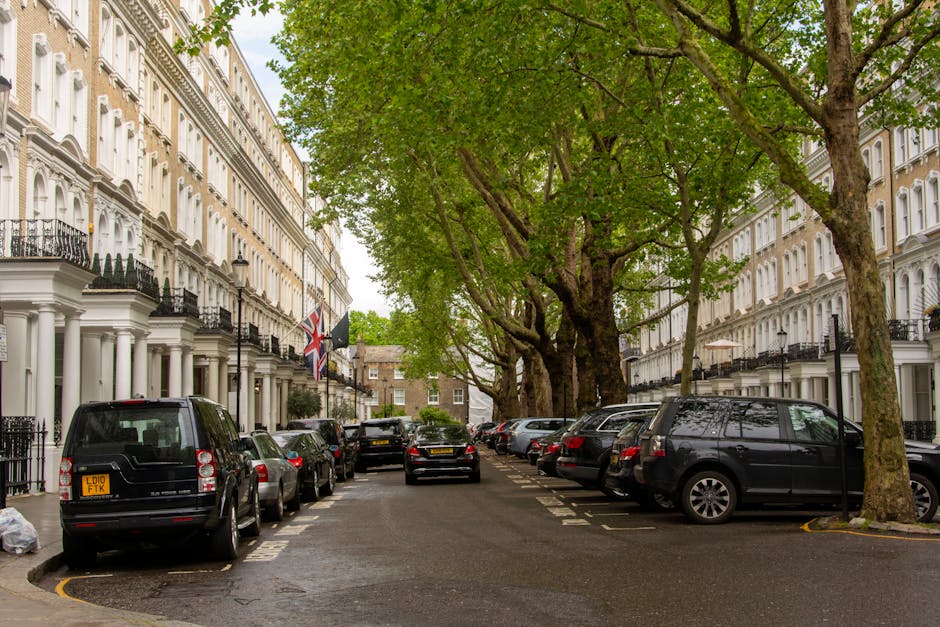
On moving day, parking is not a small detail. It is the bit that decides whether the sofa gets carried straight from the house to the van, or whether it has to travel the scenic route down the road while someone stands there apologising to neighbours. A parking suspension can create a clear, temporary space for your removal vehicle right outside the property, which is especially useful in Charlton where streets can be tight, busy, or already heavily parked.
For moves in SE7, that matters for a few reasons. First, removal vans are larger than a standard car and often need room to load safely. Second, local streets may have permit zones, yellow lines, loading restrictions, or limited bay availability. Third, a move is easier when everyone knows where the vehicle can stop without a last-minute scramble. In our experience, that one detail can reduce stress more than fancy packing materials ever will.
It also matters for timing. If a van cannot park close enough, the crew spends longer carrying items, which slows the whole job and can make heavy items more awkward. If you are already managing stairs, awkward corners, or a tight schedule, you will feel the difference quickly.
For a broader sense of how parking and access fit into a move, it can help to read the guide on council permits for van hire alongside this article. The two topics overlap more than people realise.
How Greenwich Council Parking Suspensions for Moves in Charlton Works
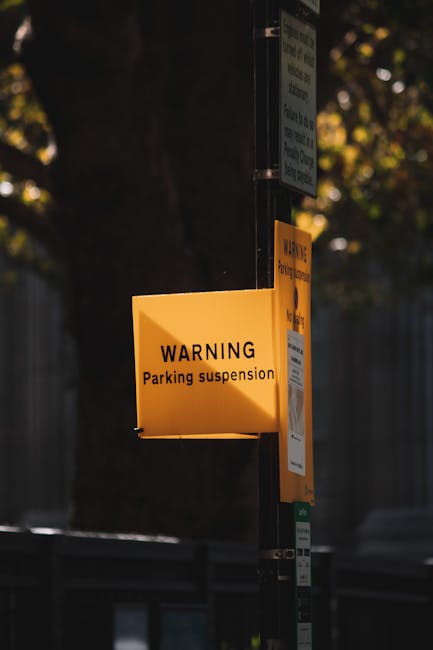
In plain English, a parking suspension is a temporary restriction placed on a parking space or bay so it can be reserved for a specific use. For a move, that usually means making room for the removal van, a man and van vehicle, or a larger furniture lorry if required. The idea is simple: secure access near the property so the loading process is efficient and predictable.
The practical process usually involves checking whether the bay or street space is controlled, confirming the date and duration needed, and making sure the suspension is arranged early enough. The exact procedure can vary depending on location and the type of restriction already in place, so it is wise to treat the council process as something to confirm rather than assume. That sounds obvious, but people often assume the street outside their house is "just available" until moving day arrives. It usually is not.
In many Charlton moves, the issue is less about the moving crew and more about the street itself. You may be dealing with residents' bays, shared-use bays, single yellow lines, school-time restrictions, or a narrow road where a van would partly block traffic if parked badly. A suspension gives you a cleaner, more controlled setup.
One useful way to think about it: parking suspension is not about convenience alone. It is about access, safety, and avoiding delays that ripple through the whole day. If the van can stop close to the door, the team can load faster, keep lifting distances shorter, and reduce the chance of damage.
Key Benefits and Practical Advantages
The main benefit is obvious: better access. But there are a few more benefits worth spelling out because they affect the move in very real ways.
- Shorter carrying distances: Fewer steps between property and vehicle means less fatigue and lower risk of knocking furniture or walls.
- Faster loading: A close parking position keeps the move efficient, which is especially helpful for same-day schedules.
- Lower stress: You are not watching traffic wardens or waiting for a random gap to appear.
- Better safety: Less carrying across the road or along narrow pavements makes the job safer for everyone.
- More control over timing: When the van has a reserved place, the day is less exposed to luck.
There is also a knock-on benefit for neighbours and the wider street. A properly arranged suspension can reduce double-parking, avoid awkward blockages, and make the move feel less disruptive. To be fair, nobody loves a moving van outside their window at 7 a.m., but people generally tolerate a well-managed move much better than a chaotic one.
If you are planning a bigger move and want to coordinate packing, lifting, and loading more smoothly, these packing tips for a flawless relocation are worth a look. Good parking and good packing work hand in hand.
Who This Is For and When It Makes Sense
Parking suspensions are most useful when the vehicle needs to be close to the property and the street cannot reliably provide that space. That covers a lot of real-world moving situations in Charlton.
You are a strong candidate for a suspension if you are:
- moving from a house on a road with limited space;
- relocating from a flat where loading access is tight;
- moving heavy items that should not be carried far;
- using a larger removal van or furniture vehicle;
- moving at a busy time of day when parking is already scarce;
- working to a strict schedule, such as a completion deadline or tenancy handover.
It may be less necessary for very small moves, especially if you are using a compact van and there is normally a reliable loading spot nearby. But even then, a busy road or a narrow stretch can still make it worthwhile. The key question is not "do I need one in theory?" but "will the move be easier and safer if the van can stop right outside?"
This is where local knowledge helps. If you are moving within Charlton village streets, near busier access routes, or around older housing with awkward kerbs and corners, access planning deserves proper attention. For more local route context, street-by-street moving tips for Charlton Village can be a useful companion read.
Step-by-Step Guidance
Here is the clearest way to handle Greenwich Council parking suspensions for a move in Charlton without turning the whole thing into a last-minute scramble.
- Assess the street outside both properties. Look at the available bays, any yellow lines, and how close a van can safely get to the door.
- Measure the move, not just the furniture. Think about van size, item volume, stair access, and how long loading is likely to take.
- Check whether loading close to the property is realistically possible. Sometimes a suspension is essential; sometimes it is simply the most sensible option.
- Decide the times you need. Do not guess. Your moving window should match the actual loading period, with a little buffer if the street is tricky.
- Arrange the suspension early. Leave room for admin, possible notices, and any final checks. Last-minute arrangements are where problems start.
- Inform neighbours if appropriate. A polite heads-up can prevent awkwardness and parking disputes on the day.
- Mark the space clearly once approved. Keep the van access obvious and avoid accidental encroachment by other vehicles.
- Coordinate the removals team. Make sure the driver knows exactly where to stop and whether there are any access restrictions, low branches, or turn-in issues.
A sensible move day is usually a quiet one behind the scenes. The less drama at the kerb, the better. And yes, the van is the star of the show for about ten minutes, then everyone wants it out of the way again.
If your move is particularly fast-paced, or you are trying to vacate the property on a tight timeline, this guide to urgent same-day removals in Charlton may help you plan the rest of the day around the parking setup.
Expert Tips for Better Results
After a lot of moving-day experience, a few patterns become very clear. The best moves are rarely the ones with the fanciest kit; they are the ones where the practical details were sorted early.
- Check access before you book the van. Van size should match the street as much as the property contents.
- Plan around the property entrance. A suspension is only useful if the loading point is genuinely close enough to the door.
- Use the day before for staging. Box up loose items, clear hallways, and keep a path open. You will feel the difference instantly.
- Keep bulky items grouped near the exit. Fridge, mattress, wardrobe, and furniture should not be waiting in different corners of the house at loading time.
- Allow time for real-life delays. Doors stick, lifts are slow, neighbours ask questions. It happens.
Another point that gets overlooked: if you have awkward furniture, especially large wardrobes or dining tables, make sure you know how they will be handled before the vehicle arrives. A parking suspension helps with access, but it does not replace proper lifting and handling. If you are dealing with oversized pieces, furniture removals in Charlton can be a better fit than trying to improvise on the curb.
And if you want a deeper look at handling heavier items safely, heavy lifting guidance for moving day and kinetic lifting techniques both connect well with the access side of the job. Strange pairing, maybe, but very practical.

Common Mistakes to Avoid
Most parking problems during moves are preventable. They usually come from assumptions. A few of the big ones:
- Leaving it too late. If the suspension cannot be arranged in time, your move may end up paying for it in delay.
- Assuming the street is "fine". The street may look open at 9 p.m. and be completely full by 8 a.m.
- Booking the wrong size van. A bigger vehicle sounds efficient until it cannot fit the space you need.
- Not checking both ends of the move. People often focus on the old address and forget the new one.
- Ignoring loading restrictions. Bays, signs, and time limits matter. They really do.
- Failing to brief the removals team. The driver should know the access plan, not guess it on arrival.
A smaller but surprisingly common mistake is not thinking about the weather. Rain changes everything. Pavements get slick, boxes get heavier, and you move a bit slower. On a wet Charlton morning, even a short carry can feel longer than it should. Not dramatic, just reality.
If the move is being done in stages, you may also want to look at how to move from sofa to storage smoothly so that temporary holding space does not become another source of confusion.
Tools, Resources and Recommendations
You do not need a huge toolkit to manage parking suspension planning, but a few simple things make life easier:
- a rough floor plan or room list for the move;
- basic measurements of large furniture;
- photos of the street and parking layout;
- a written loading timetable;
- labels for boxes so the loading order is efficient;
- a contact list for the removals team and anyone helping on the day.
For packing and staging, a good starting point is packing and boxes in Charlton. It is easier to reserve a parking space properly when you also know how much needs to come out, and in what order.
Storage can also play a part, especially if not everything is moving on the same day. If some items are going into temporary storage first, then you may benefit from storage solutions in Charlton or even a staged move plan that separates fragile, bulky, and non-essential items. That approach is often calmer, truth be told.
For people who want a broader overview of the moving process, the services overview is a sensible place to understand how the moving pieces fit together. And if you are comparing support levels for a house move, house removals in Charlton, flat removals in Charlton, and man with a van in Charlton each fit different situations.
Law, Compliance, Standards, or Best Practice
Parking suspensions sit within local parking control and street management. The exact rules and procedures can vary by street type, bay type, and local restrictions, so it is best to treat the council process as something to confirm rather than assume from memory or hearsay.
From a best-practice point of view, there are a few standards worth following no matter how simple the move looks:
- Use lawful parking only. Do not rely on guesswork if a restriction applies.
- Plan access with safety in mind. Keep pavements, entrances, and vehicle routes as clear as possible.
- Keep communication tidy. The resident, driver, and helpers should all know the plan.
- Respect neighbours and other road users. A move should be efficient, not chaotic.
- Match the vehicle to the site. A big van in a small street can create avoidable problems.
If you are also thinking about safety on the day, the health and safety policy and insurance and safety information are useful reminders of the kind of care a professional move should involve. It is not just paperwork. It is part of doing the job properly.
For anyone who wants extra context on local access routes, the article on SE7 removals and local access around Woolwich Road is a good example of how route planning and parking decisions overlap.
Options, Methods, or Comparison Table
Not every move needs the same parking strategy. Here is a simple comparison to help you judge what makes sense.
| Approach | Best for | Pros | Trade-offs |
|---|---|---|---|
| No reservation, normal street parking | Small moves with flexible timing | Simple, low admin | Higher risk of delay or a long carry |
| Temporary parking suspension | Most residential moves in tighter Charlton streets | Best access, better loading control | Requires planning and approval |
| Smaller vehicle with flexible positioning | Light moves or access-limited roads | Can fit where larger vans cannot | May require more trips or more labour |
| Split move with storage | Staged relocation or property delays | Reduces pressure on one day | Extra handling and coordination |
In practical terms, the best choice is the one that protects the move from delays without creating unnecessary admin. For one-bedroom flat moves, a compact vehicle and good timing may be enough. For family homes, awkward furniture, or busy roads, a suspension often earns its keep very quickly.
Case Study or Real-World Example
A recent-style Charlton move might look like this: a couple moving from a first-floor flat on a street with limited bay space, a narrow pavement, and afternoon traffic that makes double-parking a non-starter. They were initially planning to use normal street parking and "just see how it goes".
That usually sounds manageable until the morning arrives. Boxes are stacked by the front door, the wardrobe will not fit through cleanly unless it is dismantled, and the van is now waiting two doors away because the nearest bay is occupied. Suddenly every extra step matters.
In a better version of the same move, the parking is arranged in advance, the van parks close to the entrance, and the crew can work in a steady rhythm: lift, carry, load, repeat. No wandering, no awkward waiting, no head-scratching at the kerb. The move still takes effort, of course. Moving always does. But it feels controlled, and that is a huge difference.
That is also where planning the rest of the move helps. If there is a bulky bed frame involved, reading how to relocate a bed and mattress from start to finish can save a fair bit of second-guessing. And for delicate or valuable items, specialist piano removals in Charlton may be the safer path than treating everything like a standard box move.
Practical Checklist
Use this as a straightforward move-day readiness check:
- Confirm the move date and time window.
- Check the parking situation at both addresses.
- Decide whether a parking suspension is needed.
- Allow enough lead time for approval and signage.
- Measure larger items and the van access path.
- Label boxes clearly by room and priority.
- Keep hallways, stairs, and entrances clear.
- Tell the removals team about any access issues.
- Have keys, contact details, and essentials to hand.
- Check for low branches, sharp corners, or tight turns.
- Make sure neighbours are not unexpectedly blocked in.
- Keep a small buffer in the plan for delays.
If the move involves student accommodation, shared housing, or a fast turnaround between tenancies, student removals in Charlton can be a practical route, especially where parking access and timing are both tight.
One more small thing: decluttering before moving can quietly make the parking problem easier too, because there is simply less to load. This decluttering checklist is a useful companion if you want the move to feel lighter from the start.
Get a free quote today and see how much you can save.
Conclusion
Greenwich Council parking suspensions for moves in Charlton are not the flashiest part of relocation, but they can be one of the most valuable. When the van has proper access, the whole day becomes easier to manage: less carrying, less stress, better timing, and fewer surprises. That is the kind of difference you really notice in the middle of a move, when everyone is tired and the kettle has been packed in the wrong box. It happens.
The safest approach is usually simple: assess the street early, plan the access properly, and treat parking as part of the move rather than an afterthought. If you do that, you are already ahead of the game. And honestly, that bit of calm planning can feel like a small luxury on an otherwise hectic day.
For anyone preparing a move in Charlton, a well-organised parking plan is not just practical. It is reassuring. And sometimes that is exactly what you need.