Proper Disposal Rules for Old Mattresses in Royal Greenwich
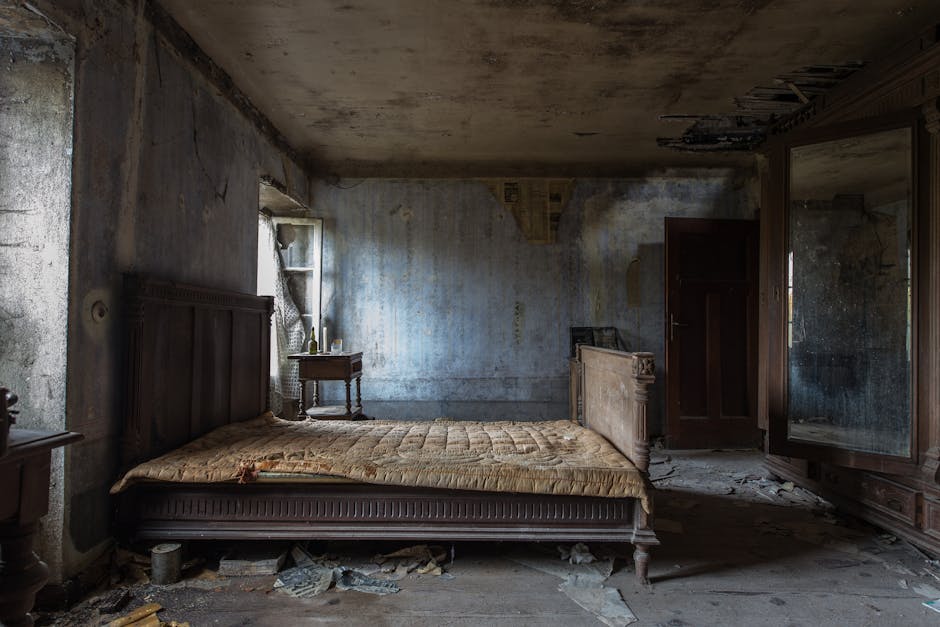
If you have an old mattress sitting in a hallway, spare room, or basement corner, you already know the problem: it is bulky, awkward, and not something you can just shove into a normal bin. Proper Disposal Rules for Old Mattresses in Royal Greenwich matter because the wrong choice can lead to fly-tipping, blocked pathways, council issues, or simply a stressful mess you did not need. The good news? Once you understand the right disposal routes, the whole process becomes much simpler. This guide walks you through the practical options, the local expectations, and the smart ways to handle a mattress without the usual drama.
Whether you are clearing a flat in Greenwich, replacing a bed after a move, or dealing with a damaged spring mattress that has seen better days, the key is to choose a lawful, tidy, and efficient route. And honestly, mattress disposal is one of those jobs that looks minor right up until you are trying to move a damp, heavy thing down a narrow staircase. Then it becomes very real, very fast.
Why Proper Disposal Rules for Old Mattresses in Royal Greenwich Matters
Mattresses are not ordinary household waste. They are large, hard to compress, and often made from mixed materials such as foam, fabric, metal springs, and wood. That mix makes them awkward to handle and, in many cases, unsuitable for standard household waste services. In Royal Greenwich, as in the rest of London, disposing of bulky items in the wrong way can create more than a nuisance. It can become a cleanliness issue, a safety issue, and a legal one.
Fly-tipping is the obvious risk people think about, but there are smaller problems too. A mattress left in a communal bin area can block access for neighbours, attract damp and odours, and make a building look neglected. If you live in a block of flats, you will know how quickly one badly placed item can turn into a bit of a neighbourhood gripe. Not fun.
There is also an environmental side. Mattresses take up a lot of space in landfill, and parts of them may be recyclable or reusable if handled correctly. That is why many people now prefer mattress collection, furniture pick-up, or a broader removal service that can transport bulky waste responsibly. A more considered approach usually means less stress and better outcomes.
For householders, landlords, letting agents, and moving day planners, getting this right saves time and avoids awkward follow-up calls. If a mattress disposal job is bundled into a move, it often makes sense to pair it with a wider removals or man with van arrangement so the whole load is handled in one visit. That is often the neatest solution, to be fair.
How Proper Disposal Rules for Old Mattresses in Royal Greenwich Works
At a practical level, mattress disposal starts with one question: can the item be reused, collected separately, or taken away as part of a larger load? Once you answer that, the rest becomes easier. In Royal Greenwich, residents typically need to think about access, collection method, and whether the mattress can be moved without damaging walls, stair rails, or lifts.
There are a few broad routes people usually consider:
- Bulky item collection: suitable when the council or a local provider accepts mattresses as a separate bulky waste item.
- Reuse or donation: possible only if the mattress is clean, safe, and in a condition a recipient would reasonably accept. Many mattresses are not.
- Private removal or pick-up: useful when you want a timed collection and help getting the mattress out of the property.
- House clearance or move-related disposal: handy when the mattress is only one item among several pieces of furniture.
The exact process depends on the condition of the mattress and how much effort is needed to remove it. A lightly used mattress from a guest room is a different matter from a stained, sprung, sagging mattress that has been through years of use. One can sometimes be handled as a reuse candidate; the other should go straight to disposal.
Most residents benefit from planning the removal before lifting anything. Measure doors, think about stair turns, and check whether the mattress can be bent or whether it needs to stay flat. A double or king mattress may need two people, especially in older Greenwich properties where staircases can be tight and a bit unforgiving. You know the sort - lovely buildings, but not always built with mattress moves in mind.
If you are already organising a move, disposal becomes even simpler when combined with home moves or man and van removals, because the mattress can travel with the rest of the load. That can save extra trips and avoid the classic "we forgot the mattress" moment that somehow always happens on moving day.
Key Benefits and Practical Advantages
Following the proper mattress disposal route does more than keep things tidy. It makes the whole job safer, quicker, and less likely to turn into a stressful afterthought.
- Cleaner property presentation: useful for landlords, tenants, and sellers who need a property to look ready.
- Reduced risk of fines or complaints: especially important where waste is left in shared spaces or on the street.
- Better handling of heavy items: professional removal reduces the chance of injury or damage.
- Less hassle on moving day: one organised uplift is easier than several improvised attempts.
- More responsible waste handling: some components may be diverted from landfill where suitable.
There is also a simple emotional benefit: closure. That sounds a bit grand for a mattress, perhaps, but anyone who has had a bulky item lingering around the house for weeks knows the feeling. Once it is gone, the room feels lighter. Quieter, even.
In commercial or rental settings, proper disposal also supports turnover speed. A flat can be cleaned, photographed, and re-let sooner if the old bed base and mattress are removed without delay. That matters in a local market where timing can be tight.
Who This Is For and When It Makes Sense
This guidance is useful for a wide mix of people. You may only need it once every few years, but when you do need it, you need it fast.
- Homeowners replacing old bedding or clearing a spare room.
- Tenants moving out and needing to avoid leaving waste behind.
- Landlords and letting agents managing end-of-tenancy clearances.
- Students moving between properties with minimal storage space.
- Families upgrading beds after a move or refurbishment.
- Office or serviced accommodation managers disposing of mattress-style sleeping equipment or guest bedding.
It makes sense to act early if the mattress is damaged, heavily stained, infested, wet, or no longer safe to use. Delaying disposal can create odour, hygiene, and storage issues. If you have ever tried to sleep in the next room while an old mattress leans against the wall, you will know it is not a very elegant solution.
It also makes sense to organise collection before a move, not after. Once the van is loaded and the keys are being handed over, there is no glamour in wrestling a mattress out of a half-empty property. Better to sort it while you still have space and energy.
Step-by-Step Guidance
Here is a straightforward way to handle an old mattress without overcomplicating the job.
- Check the condition. Decide whether the mattress is reusable, recyclable, or only suitable for disposal. If it is stained, torn, mouldy, or structurally damaged, disposal is usually the realistic option.
- Measure the route out. Check doorways, stair corners, lifts, and hallway width. A mattress can look manageable in a bedroom and suddenly feel enormous in a narrow stairwell.
- Remove bedding and accessories. Take off mattress protectors, toppers, sheets, and bed linen before moving anything. Small thing, big difference.
- Decide whether help is needed. If the mattress is large, awkward, or on an upper floor, two people are safer than one. Sometimes three is better, especially with heavy divan bases.
- Choose the disposal route. Use a collection method that fits the item and your timeframe. If there are other items to remove, a fuller service can be more efficient.
- Prepare access. Clear the hallway, protect corners if needed, and make sure paths are open from the room to the vehicle.
- Load carefully. Keep the mattress upright only if it is structurally sound and safe to do so. Otherwise, keep it flat and secure it for transit.
- Confirm responsible handling. Ask how the item will be sorted or processed. You do not need a dissertation, just enough reassurance that it will not end up dumped somewhere daft.
If disposal is being done alongside a full property clearance, you can usually fold it into a wider house removals plan or even a broader house movers booking. That is often the cleanest route for families clearing several rooms at once.
Expert Tips for Better Results
Small choices make the biggest difference with mattress disposal. A few practical habits can save a lot of faff.
- Take photos before booking. If a provider needs to assess size or access, clear images help avoid surprises on the day.
- Keep the route clear. Shoes, bags, and recycling crates in hallways are the classic trip hazard. Move them first.
- Combine loads where possible. If you are also getting rid of a bed frame, drawers, or another bulky item, bundle the job together.
- Time the collection carefully. Early morning lifts can be easier if the building is quiet and shared areas are less busy.
- Use wrapping only if needed. In some cases, a protective cover can make transport tidier, especially if the mattress is dusty or being moved through a clean property.
- Ask about lifting support. Not every service includes the same level of handling, so check what is actually included.
In our experience, the biggest win is simple organisation. Not perfect organisation, just enough. A mattress that is ready by the door, with access cleared and the route planned, is far easier to remove than one that is still buried under spare bedding and storage boxes.
If your mattress disposal is part of a broader move, it may be worth looking at movers or a dedicated removal company when you need the process to feel less like a weekend project and more like a handled job. Truth be told, convenience matters a lot on a busy day.
Common Mistakes to Avoid
The biggest mistakes are usually simple ones. Nothing exotic. Just the sort of things people do when they are in a hurry.
- Leaving the mattress beside communal bins. That can count as illegal dumping if it is not part of an approved collection.
- Underestimating the size. A mattress that seems light still needs space, grip, and careful handling.
- Assuming all mattresses can be donated. If the mattress is worn, stained, or unhygienic, donation is unlikely to be appropriate.
- Forgetting access restrictions. Tight stairwells, parking limits, and lift access can all affect the job.
- Mixing disposal with general rubbish. Mattresses need a different approach from bagged household waste.
- Not checking the collection terms. Some services have limits on item condition, access, or whether the item must be separated from other furniture.
One small but common slip: people wait until the last hour and then try to solve everything at once. That is how back strain happens, and sometimes arguments too. Better to plan the mattress first, then everything else follows more smoothly.
Tools, Resources and Recommendations
You do not need specialist equipment to dispose of a mattress properly, but a few practical tools make life easier:
- Measuring tape: useful for checking stair widths, door frames, and lift space.
- Protective gloves: handy if the mattress has sharp staples, dust, or old fabric wear.
- Furniture straps or grip aids: helpful for heavier mattresses and awkward turns.
- Dust sheets or covers: a sensible choice if you want to keep hallways and shared areas cleaner.
- Phone camera: simple, but very effective for recording the item and access before booking.
For broader waste-prevention thinking, many households also review the bedding and furniture they are replacing at the same time. If you are refreshing a bedroom, it may make sense to arrange a furniture pick up alongside the mattress removal, especially if there is a bed frame, chest of drawers, or other heavy item to clear.
If the mattress is part of a move or property refresh, it can also help to review recycling and sustainability information so you know what the company's handling expectations are. And if you are comparing providers, their pricing and quotes page is usually the sensible place to start rather than guessing from memory at 9pm with a tape measure in one hand.
Law, Compliance, Standards, or Best Practice
When disposing of an old mattress in Royal Greenwich, the safest approach is to follow the normal UK principles for household waste: do not abandon items in public spaces, do not leave bulky waste where it obstructs access, and use a route that is clearly authorised for collection or disposal. Local arrangements can vary, so if you are unsure about the exact council process, check the current local guidance directly before you book anything.
For residents and landlords, best practice usually means:
- making sure waste is handed to a legitimate collector;
- keeping records or confirmation where appropriate;
- avoiding any arrangement that looks suspiciously cheap or informal;
- confirming that the item will be processed responsibly.
There is no need to get lost in legal jargon. The practical rule is simple: if you would not be comfortable explaining where the mattress is going, it is probably not the right disposal route. That sounds blunt, but it works.
If you want extra reassurance about handling, you can also review the company's health and safety policy and insurance and safety information before booking. Those pages do not dispose of a mattress for you, obviously, but they do help you judge whether the lifting and transport process is being handled properly.
Options, Methods, or Comparison Table
Different disposal methods suit different situations. Here is a simple comparison to help you choose.
| Option | Best for | Advantages | Watch-outs |
|---|---|---|---|
| Council-style bulky waste collection | Single items or planned household disposal | Structured and straightforward when available | May need advance booking and specific item rules |
| Private mattress collection | Quick removal, awkward access, busy schedules | More flexible timing and handling support | Service terms vary, so confirm what is included |
| Furniture pick-up | Mattress plus bed frame or other bulky items | Efficient for room clearances | Not all items may be accepted if they are damaged beyond practical handling |
| Move-based removal | Disposal during a house move | Combines transport into one trip | Requires good planning so nothing gets left behind |
For many households, the best option is the one that reduces handling steps. Fewer lifts, fewer trips, fewer chances to nick a wall on the way out. That is the real-world test, not whatever sounds clever in theory.
Case Study or Real-World Example
Imagine a tenant in Greenwich moving out of a two-bedroom flat on a Friday afternoon. There is an old double mattress in the spare room, a bed frame in the main bedroom, and a few bits of general clutter in the hallway. The tenancy ends the next day. The lift is small, parking is limited, and the staircase has one awkward turn halfway down.
In that situation, trying to deal with the mattress separately from the rest of the move is usually a headache. A better plan is to group the bulky items, clear the route first, and use a service that can take the mattress and the other furniture in one visit. The tenant avoids leaving waste behind, the flat is cleared more quickly, and the end-of-tenancy handover is a lot less tense. Everyone breathes easier. Literally, because the hallway is not filled with foam dust and old bedding anymore.
Now compare that with a homeowner replacing a guest mattress in a house. The mattress is clean but old, the access is straightforward, and there is no rush. In that case, a scheduled pick-up may be enough. Same city, same broad issue, different solution. That is why "proper disposal" is not one fixed method; it is the method that fits the item, the building, and your timing.
Practical Checklist
Use this quick checklist before you arrange disposal or collection:
- Is the mattress reusable, recyclable, or only suitable for disposal?
- Have you removed sheets, protectors, toppers, and accessories?
- Do you know the mattress size and whether it needs two people?
- Have you measured doors, stairs, and lift access?
- Is the hallway and exit route clear?
- Have you checked whether the collection method suits your timeframe?
- Are other bulky items being removed at the same time?
- Do you know what the provider will do with the mattress after collection?
- Have you reviewed terms, insurance, and safety information if needed?
- Is the disposal route lawful and appropriate for the item's condition?
If you can tick most of those boxes, you are usually in good shape. If not, pause for ten minutes and sort the basics first. That little pause can save a lot later.
Conclusion
Proper Disposal Rules for Old Mattresses in Royal Greenwich are really about three things: using the right route, avoiding avoidable mess, and making sure the item is handled responsibly. Once you know the condition of the mattress, the access situation, and whether it should be removed alone or with other furniture, the decision becomes much clearer.
For many people, the easiest answer is to treat the mattress as part of a wider removal or furniture clearance plan. That keeps the process efficient and reduces the chance of the item being left behind or handled badly. And that, in the end, is what most of us want from a job like this: no fuss, no mystery, no ugly surprises.
Get a free quote today and see how much you can save.
Frequently Asked Questions
Can I leave an old mattress next to the bins in Royal Greenwich?
No, not unless it has been arranged as an approved collection point or pickup. Leaving a mattress beside bins can create a fly-tipping problem and may be treated as improper waste disposal.
Can a mattress be donated instead of thrown away?
Sometimes, but only if it is clean, safe, and in a condition a charity or recipient would reasonably accept. Many old mattresses are too worn, stained, or damaged to be reused.
What should I do before mattress collection?
Remove all bedding, clear the route out of the property, measure access points, and make sure you know whether the mattress needs one or two people to lift it safely.
Are mattress and bed frame collections usually done together?
They can be, and that is often the most efficient approach. If you have both items to remove, combining them saves time and reduces the number of trips.
Do all mattress disposal services handle heavy or awkward access?
No. Some services are better suited to straightforward ground-floor collections, while others are more flexible with stairs, tight hallways, or larger properties. Always check what is included.
Is it better to dispose of a mattress during a house move?
Often yes. If you are already moving furniture, it can be easier to remove an old mattress at the same time rather than organise a separate collection later.
What if the mattress is wet, mouldy, or infested?
Handle it carefully and avoid dragging it through clean areas. In those cases, you should prioritise safe disposal and minimise contact with the rest of the property.
How do I know if a mattress needs special handling?
If it is oversized, very heavy, structurally damaged, or awkward to get out of the room, it probably needs extra planning. Older properties with narrow staircases often make this more obvious.
Can I put a mattress in a regular van without preparation?
You can, but it is better to prepare the load so the mattress does not shift, snag, or collect dirt from other items. A bit of planning avoids a lot of hassle.
What is the safest way to move a mattress downstairs?
Keep the route clear, use at least two people for larger mattresses, and move slowly around corners. If the stairway is tight, do not rush it. That is where most scrapes happen.
Should I check insurance before booking a disposal service?
Yes, if you want peace of mind. It is sensible to review the provider's safety and insurance information, especially for heavy items or difficult access.
What if I need to clear other furniture too?
That is where a wider removal services booking can be more practical than treating the mattress as a one-off job. If there is a sofa, bed frame, or other bulky item involved, combining them usually makes the day easier.
If you are still weighing up the simplest route, start with the item condition, then the access, then the collection method. That order keeps the decision calm and sensible, which is exactly what mattress disposal should be. A small job, handled well, can make a room feel ready for the next chapter.